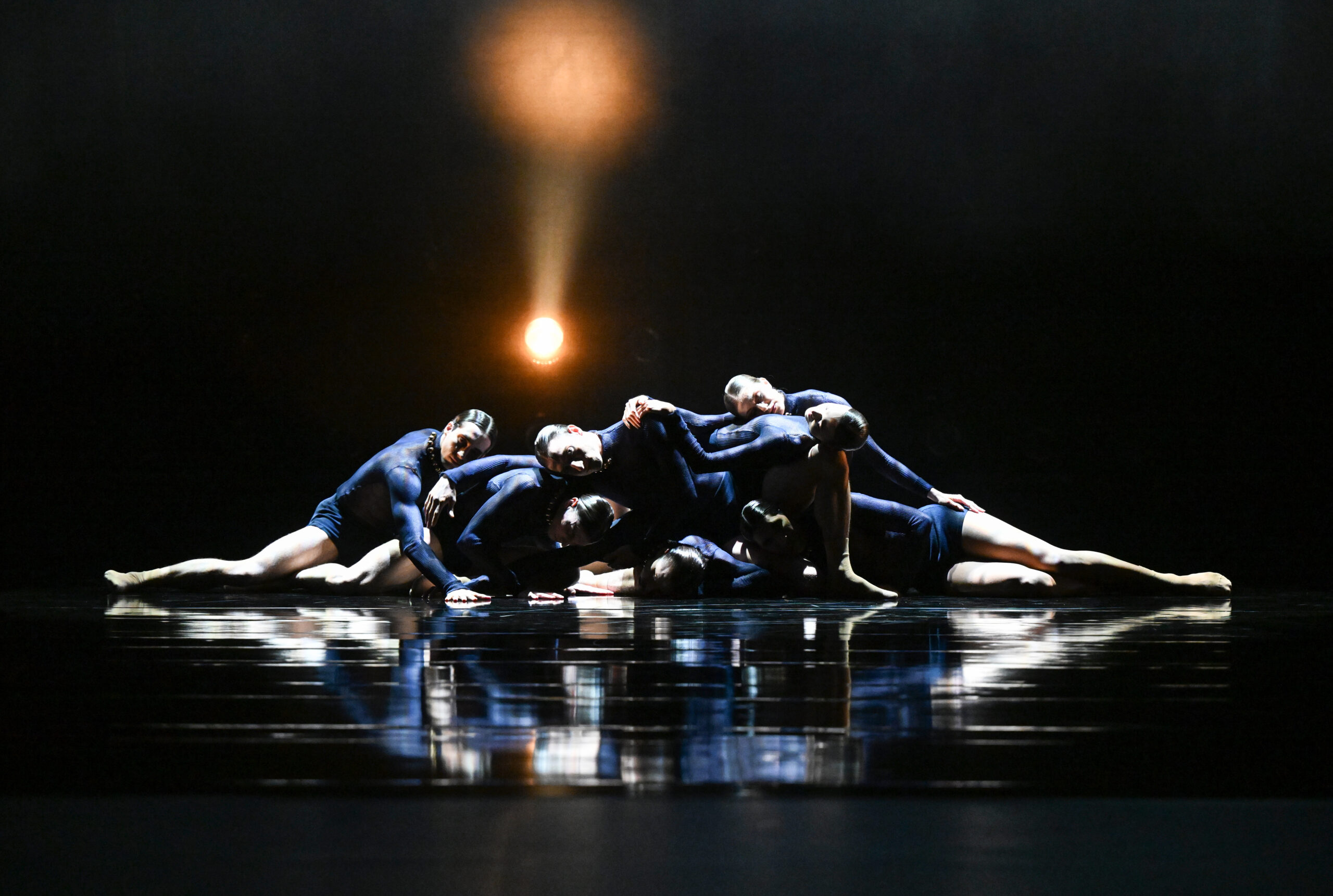
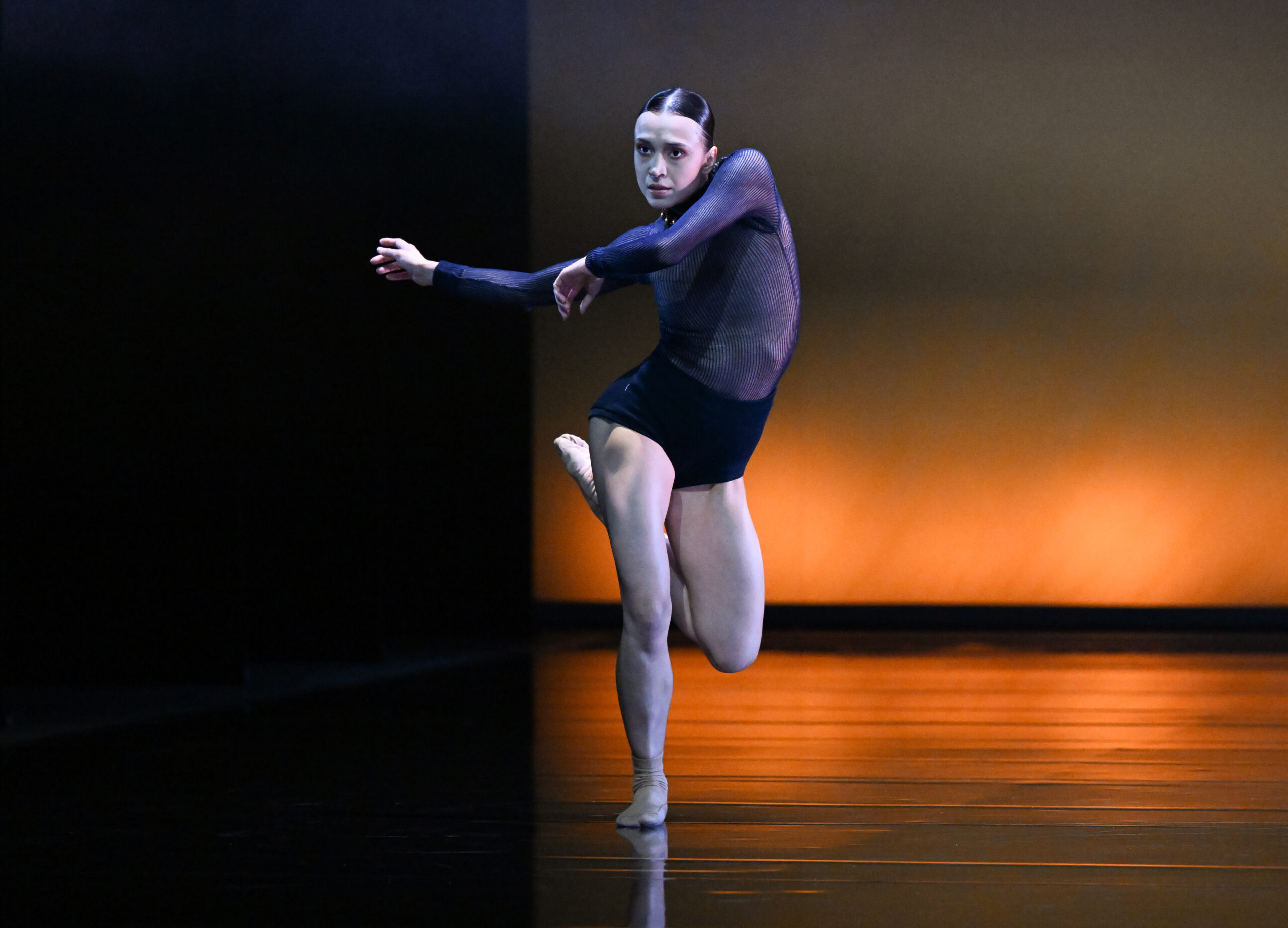
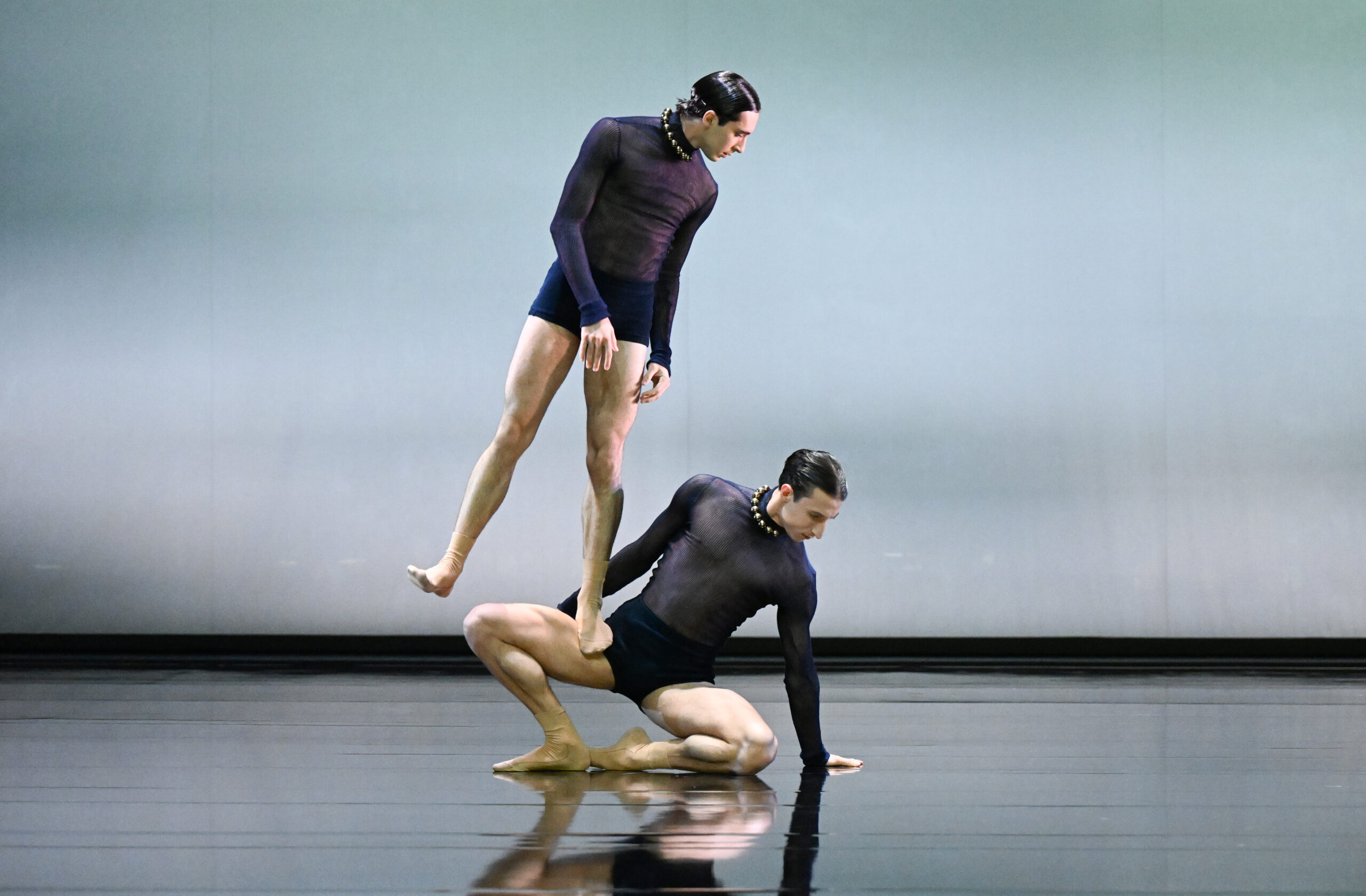
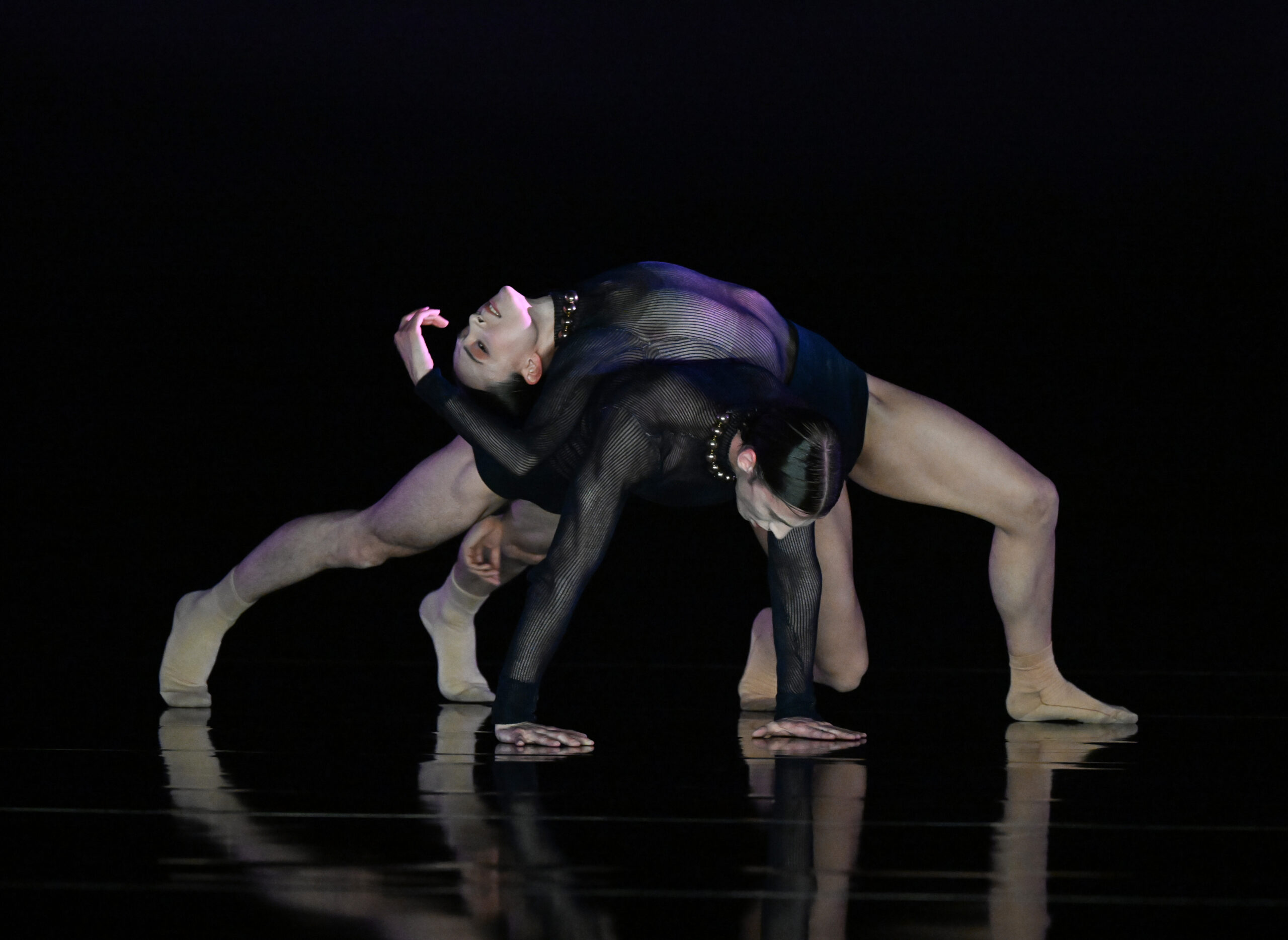
Self-Deceit takes its title from a series of self-portraits by Francesca Woodman, captured in Rome in 1978. In these photographs, Woodman’s body appears and disappears, creating an elusive sense of presence.
Mirrors are used as symbols of self-reflection, while the surrounding environment acts as camouflage, blurring the line between body and space. At times, Woodman’s body merges with its surroundings; at others, it emerges like a mirage, revealing itself in fleeting moments. Through these images, Woodman explores themes of self-deception, a concept that deeply influenced the piece.
Another key influence is Dante’s Divine Comedy, specifically the Inferno. The vivid descriptions of the damned souls, their bodies contorted in various positions, are striking. Dante’s words transform these bodies into powerful, physical images. This imagery is further brought to life in the engravings of Gustave Doré, which illuminate Dante’s descriptions, enriching the understanding of the body’s transformation in the context of suffering and redemption.
CHOREOGRAPHY / CONCEPT
VITTORIA GIRELLI
MUSIC
DAVIDSON JACONELLO (NEW COMPOSITION), JOHN KENNETH TAVENER, LUDWIG VAN BEETHOVEN, ANTON ARENSKY
LIGHT DESIGN / SET DESIGN
AJ WEISSBARD
COSTUME DESIGN
VITTORIA GIRELLI
PREMIERE
THE STUTTGART BALLET, MAY 2022
Ph. © Stuttgart Ballet